When you’re travelling long term, transport starts to mean something different. It stops being just a way to get from A to B and becomes part of the trip itself. Overnight trains, slow ferries and long bus rides through the mountains often turn out to be the most memorable parts of a journey.
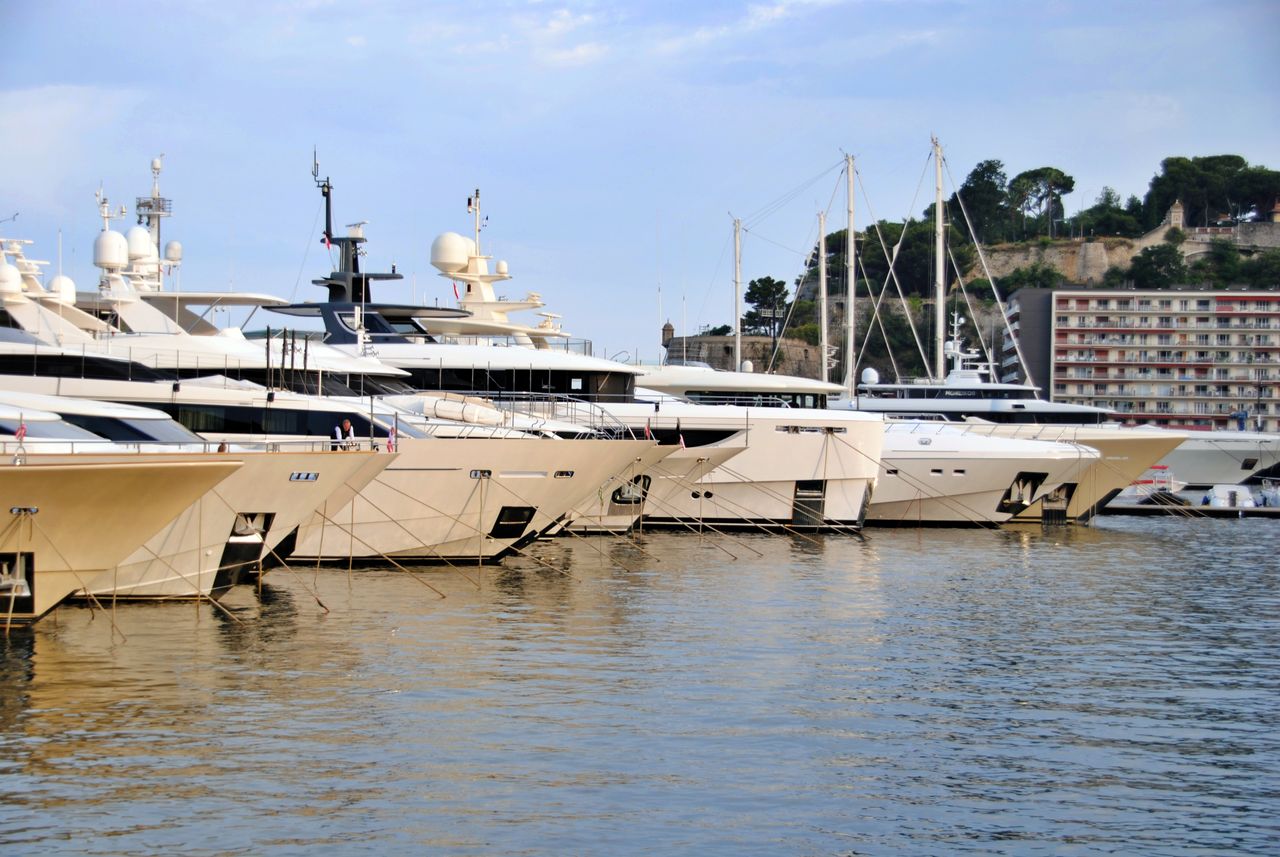
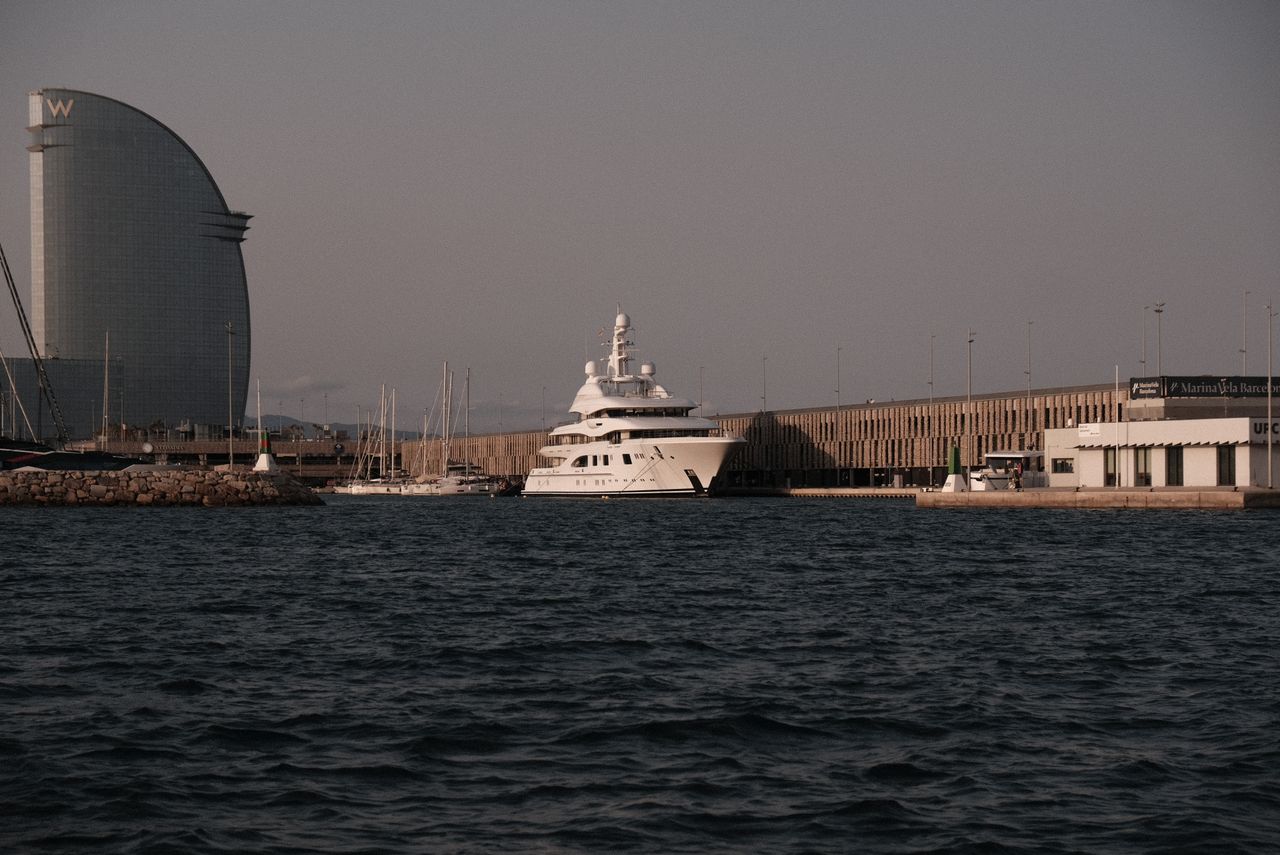
That’s why arriving somewhere by sea has real appeal for slow travellers. And if there’s one city in Europe that deserves a grand entrance, it’s Barcelona. A cruise to Barcelona lets you see the city the way sailors and traders have for centuries, with Montjuïc rising on one side, the Columbus monument standing tall at the foot of La Rambla and the whole city spreading back towards the Collserola hills.
Here’s how to make it part of a longer European adventure, plus some honest advice on doing it well.
Why arrive by sea?
Barcelona is one of the busiest cruise ports in the Mediterranean, so there’s no shortage of options. Some travellers come in on a round trip, spending a day in the city before sailing on. Others use it as the start or end of a voyage, and that’s where it gets interesting for long-term travellers.
If a cruise ends in Barcelona, you can simply walk off the ship and keep going. No flight, no airport transfer, no lost day. You’ve got a base in one of Europe’s great cities, with the rest of Spain, southern France and beyond within easy reach by train.
Stretching your time and your budget
Barcelona is a great example of a city where a bit of planning helps your money go much further.
Stay out of the tourist centre. The Gothic Quarter is beautiful, but prices are high. Neighbourhoods like Gràcia, Sant Antoni and Poble-sec have more affordable accommodation, better local restaurants and a real sense of community.
Eat the menú del día. Many restaurants offer a fixed-price weekday lunch with several courses and often a drink included. It’s one of the best-value meals in the city.
Walk wherever you can. Barcelona is very walkable, and the metro is cheap and efficient for longer journeys. A multi-trip travel card will save you money if you’re staying a while.
Look for free museum times. Several of the city’s museums have free entry on certain days or evenings, including the first Sunday of the month at a number of municipal museums.
Go beyond the highlights
The Sagrada Família is unmissable. It’s been under construction since 1882 and it’s still one of the most extraordinary buildings in Europe. Book ahead, because tickets sell out. Park Güell is worth a visit too, though you’ll need a timed ticket for the main area.
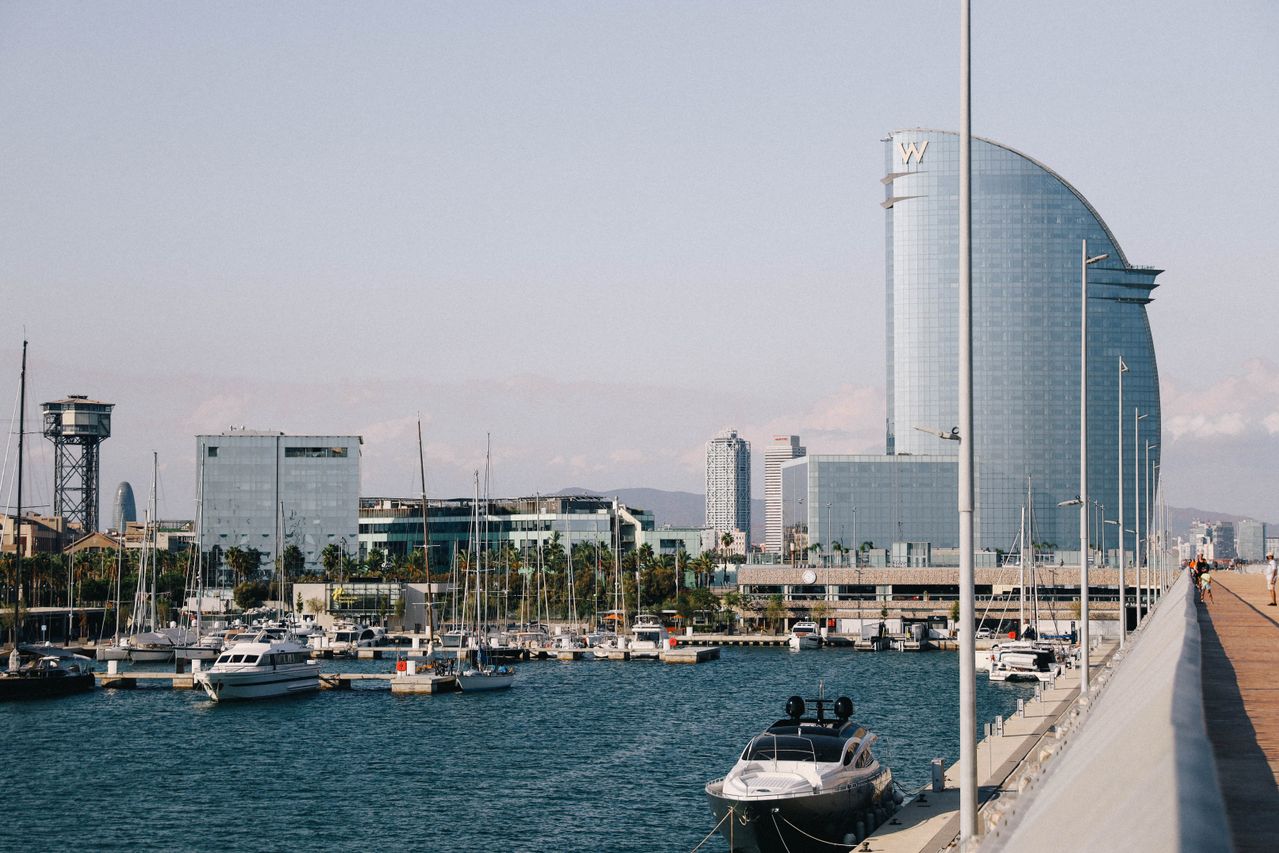
But the real joy of Barcelona is in the everyday. Coffee at a neighbourhood café. An evening vermouth at a bar that’s been there for decades. Wandering the market halls, not just La Boqueria but smaller local ones like Mercat de Sant Antoni or Mercat de la Llibertat in Gràcia. Sitting on the beach at Barceloneta at sunset with a picnic.
These are the things that make you feel like you live somewhere, even if only for a week or two.
Onward from Barcelona
This is where it gets fun for slow travellers. From Barcelona, you can take the train down the coast to Tarragona and Valencia, head inland to Zaragoza and Madrid, or go north into France. High-speed trains can reach Paris in around six and a half hours, which makes a great alternative to yet another short-haul flight.
You could also hop across to the Balearic Islands by ferry. Mallorca, Menorca and Ibiza are all reachable from Barcelona’s port, and outside peak summer they’re far more relaxed than their reputation suggests.
Honest tips for Barcelona
Watch your belongings. Pickpocketing is a real problem in Barcelona, especially around La Rambla, the metro and the busiest sights. Keep your phone and wallet secure and don’t leave bags hanging off the back of chairs.
Respect the locals. Barcelona has been dealing with overtourism for years, and residents have understandably mixed feelings about visitors. Stay in licensed accommodation, keep the noise down in residential areas and spend your money with local businesses.
Pace yourself. The city runs late. Dinner doesn’t really get going until 9pm, and nightlife starts much later. Embrace it, but don’t try to do everything on your first day.
The slow way in
There’s something special about arriving in a city by sea. You get a sense of its place in the world, its relationship with the water and the trade and travel that shaped it. For long-term travellers, it’s a chance to arrive without the rush and stress that usually comes with getting from one country to the next.
Barcelona has been welcoming travellers from the sea for more than two thousand years. It’s a tradition well worth becoming part of, even if only for a little while.