When I left New Zealand to travel the world and work online, I had one main goal: stretch my travels out as long as possible. That meant spending more time in cheaper places, travelling slowly and finding ways to make my money go further. Cruises were never really on my radar. They seemed like expensive, short holidays for people with fixed annual leave, not something for long-term travellers like me.
But there’s one type of cruise that fits the slow travel lifestyle surprisingly well: the repositioning voyage. If you’re a long-term traveller or digital nomad starting to map out your next moves, it’s worth knowing about these unusual one-way sailings when you’re comparing 2027 cruise holidays and other ways of getting from one continent to the next. They won’t suit everyone, but for the right person, they can be a brilliant alternative to a long-haul flight.
What is a repositioning cruise?
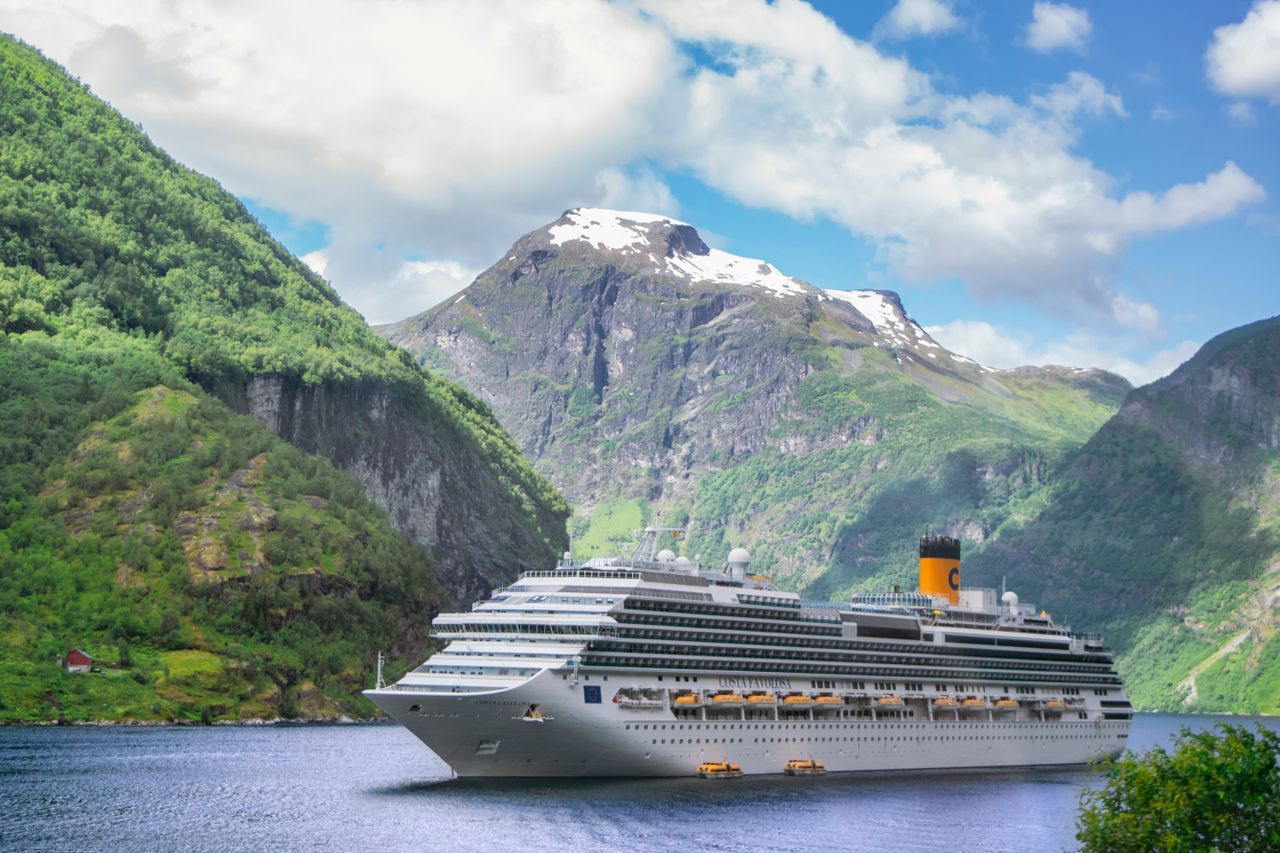
Cruise ships move around the world with the seasons. A ship that spends the summer in the Mediterranean might head to the Caribbean for winter. One that sails around Alaska in the northern summer might move to Asia or Australia later in the year. The one-way journeys between these seasonal bases are called repositioning cruises.
Because they’re one-way, often include lots of sea days and don’t follow the usual round-trip pattern, they can sometimes be priced lower per night than regular cruises. For flexible travellers, that’s where the opportunity lies.
Why they suit long-term travellers
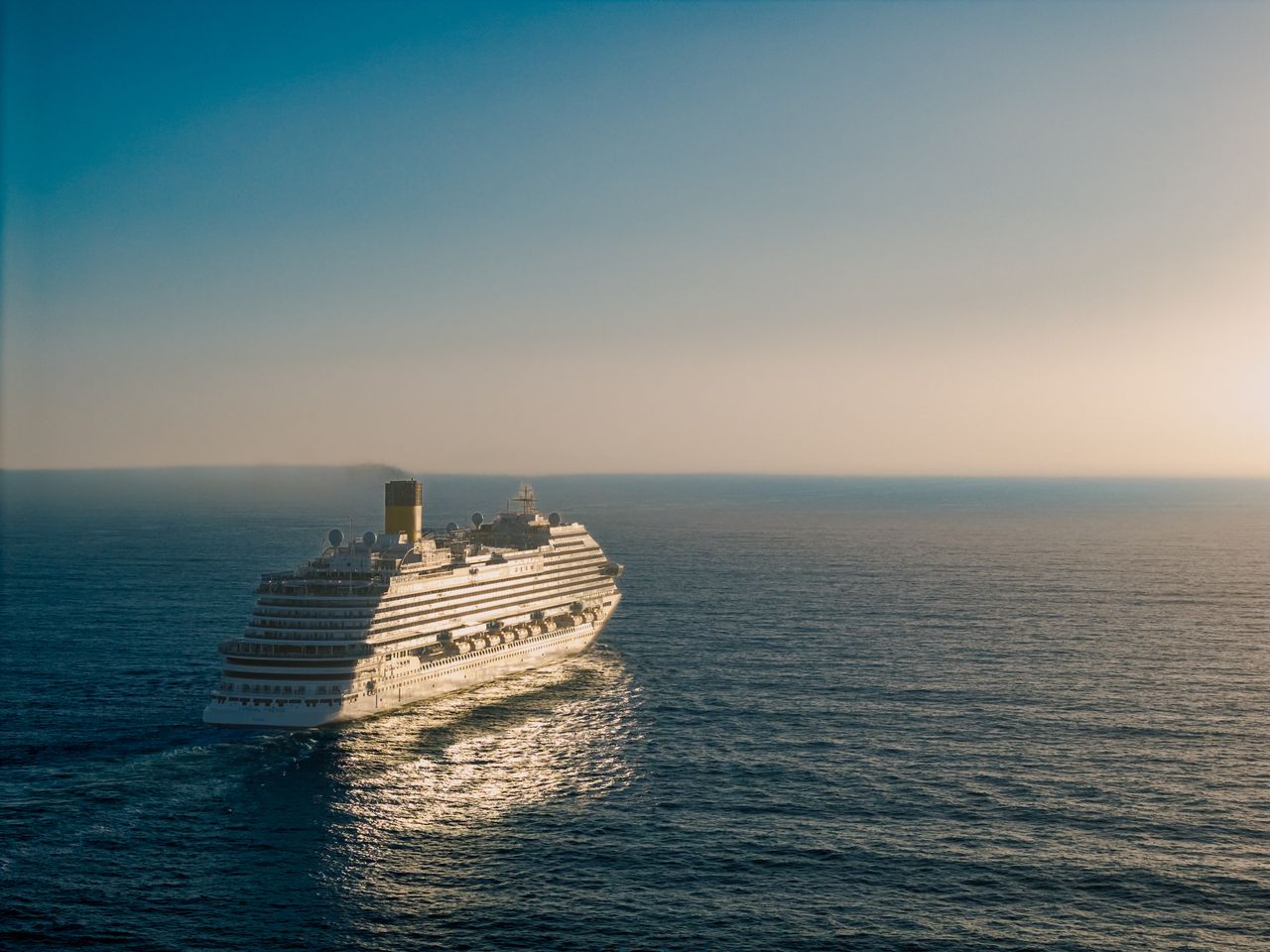
The biggest appeal for me is that a repositioning cruise replaces a flight with a journey. Instead of a gruelling long-haul flight and a week of jet lag, you cross an ocean gradually, adjusting to the new time zone an hour at a time. You arrive rested, rather than wrecked.
It also takes care of accommodation and food for the length of the voyage. When you’re travelling long term, those are two of your biggest ongoing costs, so rolling them into one fare can be a lot simpler to budget for. You’ll still need to watch out for extras like drinks, Wi-Fi and gratuities, but it can work out well compared with a flight plus a couple of weeks of hotels.
Can you work from a ship?
This is the big question for anyone location independent. Internet at sea used to be slow and expensive, but it’s improved a lot in recent years, with many cruise lines upgrading their connections. It’s still worth checking what’s offered on your specific ship and budgeting for an internet package if you need to stay online.
Personally, I’d see a repositioning voyage as a chance to work a lighter schedule. Batch some work before you leave, plan tasks that don’t need a fast connection, and use the sea days to write, plan or catch up on admin. And, if you can, give yourself a few proper days off. Being in the middle of an ocean is a pretty good excuse to switch off for a while.
The honest downsides
I always try to be upfront about the less glamorous side of travel, so here goes.
Lots of sea days. Some people love them, but others go a bit stir-crazy with nothing but water on the horizon for days at a time. If you’re someone who needs constant new scenery, this might not be for you.
Fewer port stops. Repositioning cruises often have only a handful of stops, sometimes clustered at the beginning or end of the trip.
One-way logistics. You’ll need to sort out onward travel at the other end, and it’s always worth checking visa rules for where you’re arriving and for how long you can stay.
Weather. Ocean crossings can get rough, especially in certain seasons. If you get seasick, bring remedies and choose a cabin in the middle of the ship on a lower deck.
Popular repositioning routes
Transatlantic crossings between Europe and the Caribbean or the US East Coast are some of the most common, usually happening in spring and autumn. There are also crossings between Asia and Australia, from Alaska down to Asia or the US West Coast, and routes linking South America with Europe.
For a Kiwi like me, the voyages that bring ships to Australia and New Zealand for our summer season are especially interesting. They’re a fun way to get home, or at least to the right side of the world, without spending a day squashed into an economy seat.
My tips for booking
Be flexible. Repositioning dates are fixed by the cruise lines, so the more flexible your plans are, the easier it is to fit one in.
Compare the total cost. Add up flights, accommodation and meals for the same period and see how it stacks up.
Pack for different climates. You might start somewhere cold and end up somewhere tropical, so layers are your friend.
Check the fine print. Make sure you know what’s included, what’s not and what the cancellation terms are.
Is it worth it?
For long-term travellers with time on their side, a repositioning cruise can be a fantastic way to cross an ocean slowly and comfortably. It’s not the cheapest option every time, and it’s certainly not the fastest, but it turns the journey itself into part of the adventure. And isn’t that what long-term travel is really all about?