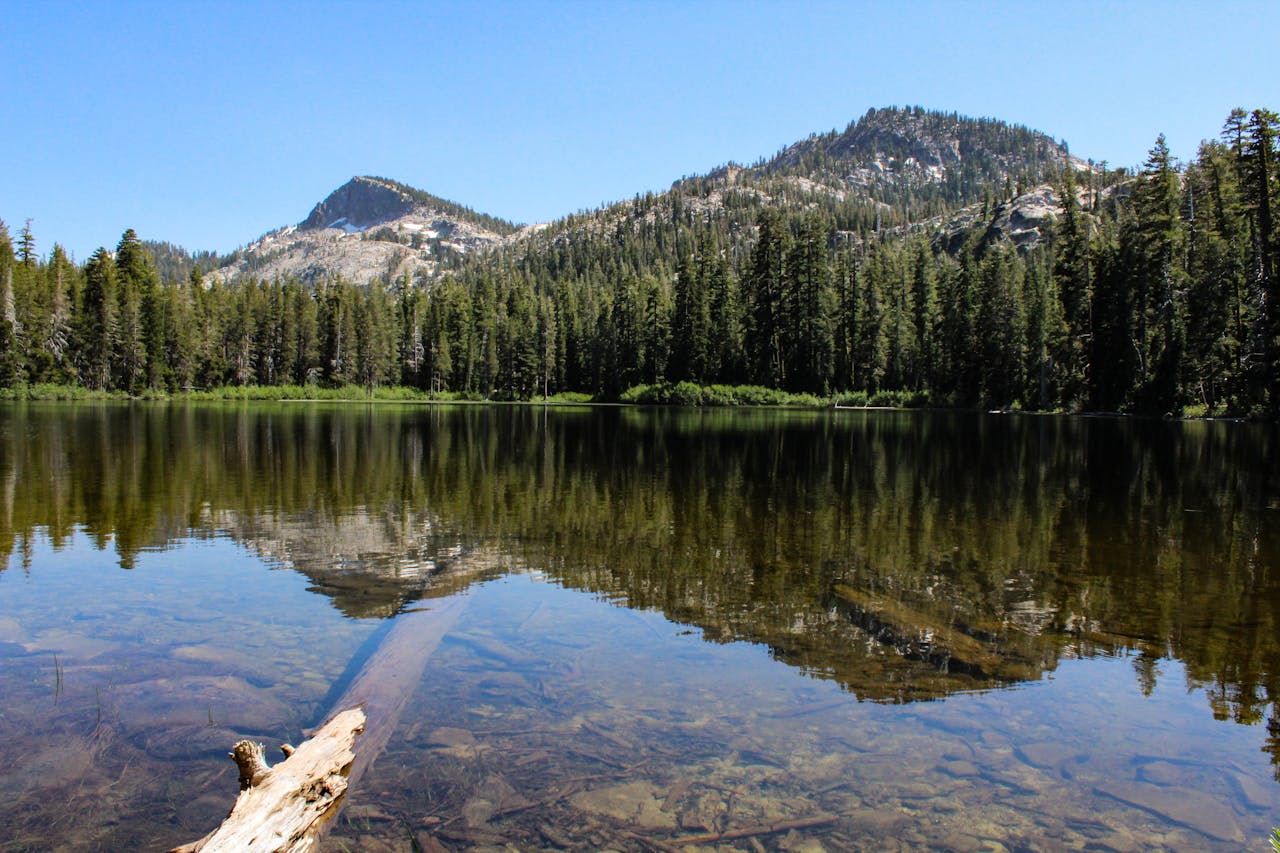
Snowshoeing is continuing to grow in popularity as it is accessible to everyone, regardless of their age and experience. Are you wondering about the best location for snowshoeing? Tahoe is an appealing choice with its wide range of terrain, reliable trail maintenance, and public access points that are easy to locate. The routes of this place can easily serve people new to winter trail travel. It still offers scenic surroundings and moderate elevation.
For people starting out or those who want a lower-pressure introduction to snow travel, Snowshoeing in Palisades Point, Tahoe is one of the most recommended options in the region. While this activity may appear to be simple, beginners often underestimate the environmental factors and physical demands involved.
If you overlook some details during preparation or execution, it may result in a negative trial experience, discomfort, or even unsafe situations. Comprehending these common mistakes can help you plan better and make the most of your outing.

Wearing the Wrong Clothing Layers
It is important to choose the right clothing for snowshoeing. It requires attention to moisture control and body temperature. Most first-timers make the mistake of wearing bulky clothing that traps sweat or restricts movement, leading to discomfort over time. Always choose cotton material as it absorbs moisture while making you feel colder as your body cools down.
Start with a lightweight, moisture-wicking base layer followed by an insulated mid-layer and a windproof outer layer. You can adjust your clothing during the hike as your body warms up, so carrying extra layers in a small backpack is always a good idea.
Ignoring Footwear and Gear Fit
Improper gear is one common reason why snowshoe trips become frustrating. Boots that are too loose may allow snow to enter, while those that are too tight can reduce circulation. Snowshoes must match your weight and the expected snow depth to perform properly on soft terrain.
Most rental shops offer sizing based on weight and trail conditions. It is also helpful to wear gaiters as they prevent snow from entering the boots when you move through deeper areas.
Overestimating Physical Ability
Snowshoeing requires more effort than walking on a paved path since every step involves lifting and placing extra weight. Many new users choose trails that are too long or steep, which can lead to fatigue or strain.
A good starting point is a loop that stays under two miles with gentle terrain. Once you are comfortable with the equipment and rhythm of movement, you can plan longer or more challenging routes on future trips.
Lack of Trail Research and Weather Awareness
Not checking trail reports before heading out can lead to avoidable problems such as poor trail conditions, restricted access, or unexpected closures. Online resources, the USDA Forest Service posts updates regularly. These updates can include avalanche warnings, snowfall data, and notices about parking or trailhead changes. Checking the weather forecast is equally important because wind, snowfall, and cold temperatures can shift quickly and affect visibility or footing.
Forgetting Trail Etiquette and Safety Habits
When you share snow-covered trails, it means being aware of the presence of other users and respecting the space they occupy. Never make the mistake of walking on ski tracks, as it damages the surface while affecting the experience of those using that equipment.
Yield to faster users and stick to your side of the trail when possible. Always carry basic safety items such as a headlamp, water, snacks, and a phone with backup power. Let someone know your expected location and return time so someone can assist if delays occur or service is lost.
Conclusion
Avoiding common mistakes helps make snowshoeing more comfortable and enjoyable for beginners. With the right snowshoeing checklist, you can explore winter trails confidently and safely. Snowshoeing in Palisades Point, Tahoe is an excellent way to get started and build a strong foundation for future outings.