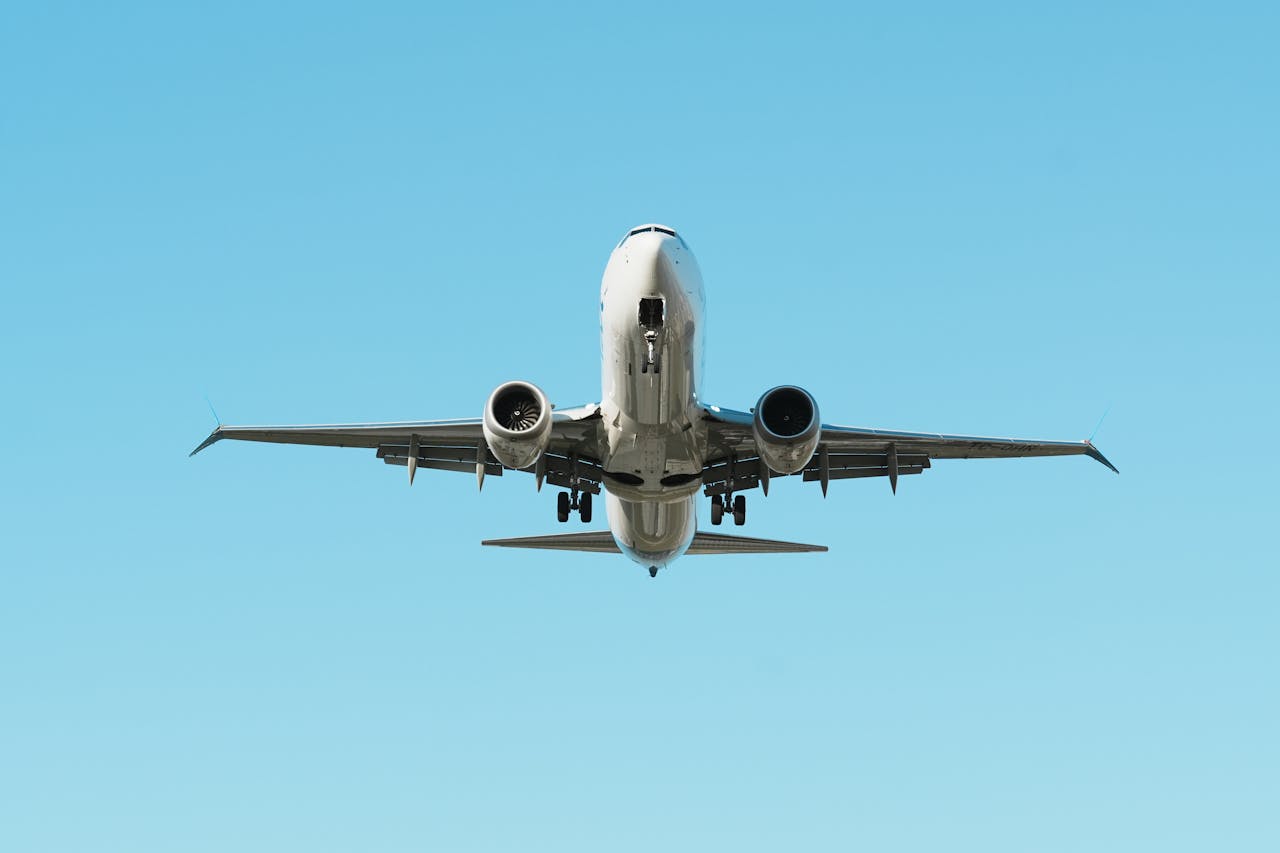
Airlines operate within one of the most complex and tightly coordinated systems in the modern world. Every flight represents the work of hundreds of professionals, dozens of technologies, and countless behind-the-scenes processes that must align perfectly. When everything runs smoothly, passengers rarely notice the immense effort required to make that happen.
Keeping flights on schedule is about far more than pilots and planes. Airlines rely on precise coordination between ground teams, operational planners, maintenance crews, and digital systems that work together to minimize delays and maximize safety. Understanding how airlines manage this complexity offers insight into why consistency and preparedness are essential to modern aviation.
The Hidden Complexity of Airline Operations
From the moment an aircraft lands to the moment it takes off again, a carefully timed sequence of events unfolds. Cleaning, refueling, catering, inspections, and crew changes must all occur within a limited window. Even small disruptions can ripple across an entire flight network if not managed quickly.
Airlines design detailed operational frameworks to handle this complexity. These frameworks account for aircraft availability, crew duty limits, airport congestion, and weather patterns. By planning well in advance while remaining flexible in execution, airlines reduce the risk of cascading delays.
Coordination Between Teams on the Ground
Ground operations play a central role in keeping flights moving. Ramp agents, maintenance crews, fueling teams, and dispatchers must work in sync to prepare aircraft safely and efficiently. Clear communication is essential, as multiple activities often happen simultaneously around the aircraft.
Technology has significantly improved this coordination. Mobile devices and centralized platforms allow teams to receive updates in real time and adjust priorities as conditions change. When delays occur, rapid information sharing helps teams respond before schedules are seriously disrupted.
The Role of Advanced Scheduling Systems
Scheduling is one of the most critical factors in smooth airline operations. Advanced software systems manage flight plans, aircraft rotations, and crew assignments with remarkable precision. These systems continuously recalculate options when disruptions arise, allowing airlines to respond dynamically.
Weather changes, air traffic congestion, and mechanical issues can all impact schedules. Modern systems use predictive analytics to anticipate these challenges and suggest alternative plans. This proactive approach helps airlines maintain reliability even when conditions are less than ideal.
Maintaining Aircraft Readiness
Aircraft maintenance is a constant priority for airlines focused on operational reliability. Routine inspections and preventative maintenance are carefully scheduled to minimize downtime while ensuring safety standards are met. Modern aircraft generate extensive data that allows maintenance teams to identify potential issues early.
Quick access to tools, spare parts, and trained technicians is essential during turnarounds. Airlines invest heavily in maintenance efficiency because even minor mechanical delays can disrupt tightly planned schedules. Well maintained aircraft are a cornerstone of dependable airline operations.
Supporting Operations With the Right Equipment
Smooth flight operations depend on having the right resources in the right place at the right time. Equipment used on the ground must be available, reliable, and compatible with specific aircraft types. This is where aircraft gse becomes a critical component of daily airline activity.
From towing and loading to power and servicing, this equipment ensures that aircraft can be prepared efficiently between flights. Airlines carefully plan equipment usage to avoid shortages and prevent delays. Proper maintenance and coordination of these assets directly supports on-time performance.
Managing Disruptions and Irregular Operations
No matter how well planned an operation may be, disruptions are inevitable. Weather events, air traffic restrictions, and unforeseen technical issues can quickly challenge even the most efficient systems. Airlines prepare for these situations through comprehensive contingency planning.
Irregular operations teams monitor flights continuously and are trained to make rapid decisions. These teams work closely with airports, crews, and customer service departments to minimize passenger impact. Fast, coordinated responses help restore normal operations as quickly as possible.
Crew Readiness and Communication
Pilots and cabin crew are at the heart of every flight, and their readiness plays a major role in operational consistency. Airlines manage crew schedules carefully to comply with regulations while ensuring adequate rest. Crew availability is monitored just as closely as aircraft availability.
Communication tools allow crews to receive updates regarding delays, gate changes, and schedule adjustments in real time. Clear information helps crews prepare effectively and maintain professionalism even during challenging situations. This reliability contributes to smoother flights and better passenger experiences.
The Passenger Experience as an Operational Metric
Airlines increasingly view passenger satisfaction as a key indicator of operational success. On-time departures, clear communication, and smooth boarding processes all influence how travelers perceive reliability. Even when delays occur, transparency can help maintain trust.
Digital tools provide passengers with timely updates and rebooking options when disruptions happen. Airlines that invest in communication and service recovery often perform better during irregular operations. Keeping passengers informed is now considered an essential part of smooth airline performance.
Conclusion
Keeping flights running smoothly requires constant coordination, thoughtful planning, and the ability to adapt to changing conditions. Airlines succeed by integrating technology, skilled personnel, and reliable equipment into a unified operational strategy. Every on-time departure reflects countless behind-the-scenes decisions made with precision and care.
As air travel continues to grow, operational excellence will remain a defining factor for successful airlines. By refining systems, supporting teams, and investing in readiness, airlines ensure that efficiency and safety remain at the center of every journey.