The funny thing about travelling is that you don’t always notice what you loved most until you come home.
I used to think it was the places themselves. New cities, different food, the feeling of being somewhere unfamiliar. But after my last trip, what stayed with me wasn’t a landmark or even a specific moment. It was sleep. Proper, uninterrupted, deeply comfortable sleep.
The first night back home made that very clear.
I remember lying awake longer than usual, shifting around, adjusting pillows that had never bothered me before. Nothing was wrong exactly. My room looked the same as always. Still cosy. Still familiar. Yet it suddenly felt less restful than I remembered.
That was the moment I realised hotel rooms are designed very differently from the way we usually live at home.
You Notice the Bed First, Even If You Don’t Think You Do
Whenever you walk into a hotel room, your eyes go straight to the bed. Not consciously. It just happens. A good Bed anchors the whole space. It looks comfortable before you even sit on it, which somehow makes your shoulders relax almost immediately.
At home, beds tend to become background furniture. We stop noticing them after a while. Mine had been perfectly fine for years, or at least I thought so. Travel quietly changed my expectations without asking permission.
I realised comfort isn’t just about being tired enough to fall asleep. It’s about whether the space helps you rest in the first place.
Coming Back Makes You See Things Differently
A few days after returning, I started noticing small details I had ignored before. My bedside table had turned into a storage area for things I rarely used. The lighting felt too bright in the evenings. Even the arrangement of furniture felt slightly crowded, though nothing had changed.
It wasn’t dissatisfaction. More like awareness.
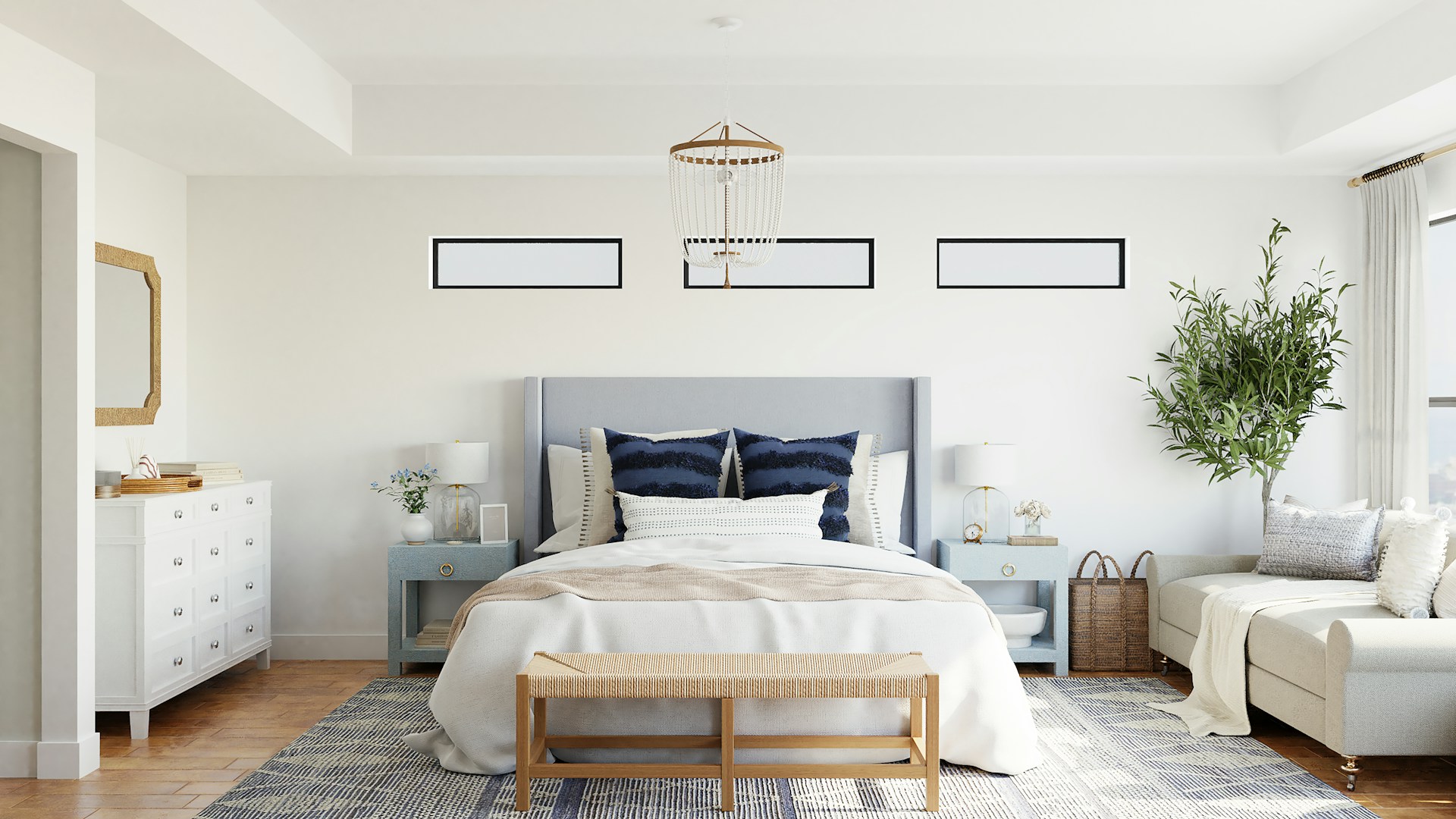
Hotels remove visual noise. There are fewer decisions to make when you walk into the room. You don’t think about tidying or reorganising. Everything already feels settled.
At home, life slowly accumulates around you. Books you mean to finish. Chargers you forgot to move. Random objects that quietly demand attention.
I didn’t decide to declutter dramatically. I just moved a few things. Then a few more the next day.
The Mattress Realisation Happened Slowly
The biggest shift came when I admitted something obvious. I had slept better away because the sleep setup was better.
A supportive Mattress makes a difference you only fully notice when you switch back to something less supportive. Mornings away felt easier. I woke up without that brief stiffness I had started accepting as normal.
At home, I had adapted over time without realising it.
It’s strange how quickly we adjust to discomfort when it arrives gradually.
Why Hotel Rooms Feel Calm Without Trying Too Hard
Hotel rooms aren’t necessarily luxurious in the way we imagine. Most are actually quite simple. Neutral colours, minimal decoration, nothing excessive.
What they do well is create space. Space between objects. Space for your mind to slow down.
I realised my bedroom had slowly lost that feeling. Not because it was messy, but because it was busy. Too many small things competing quietly for attention.
Removing a few items changed the atmosphere more than buying anything new ever had.
That surprised me.
Lighting, of All Things
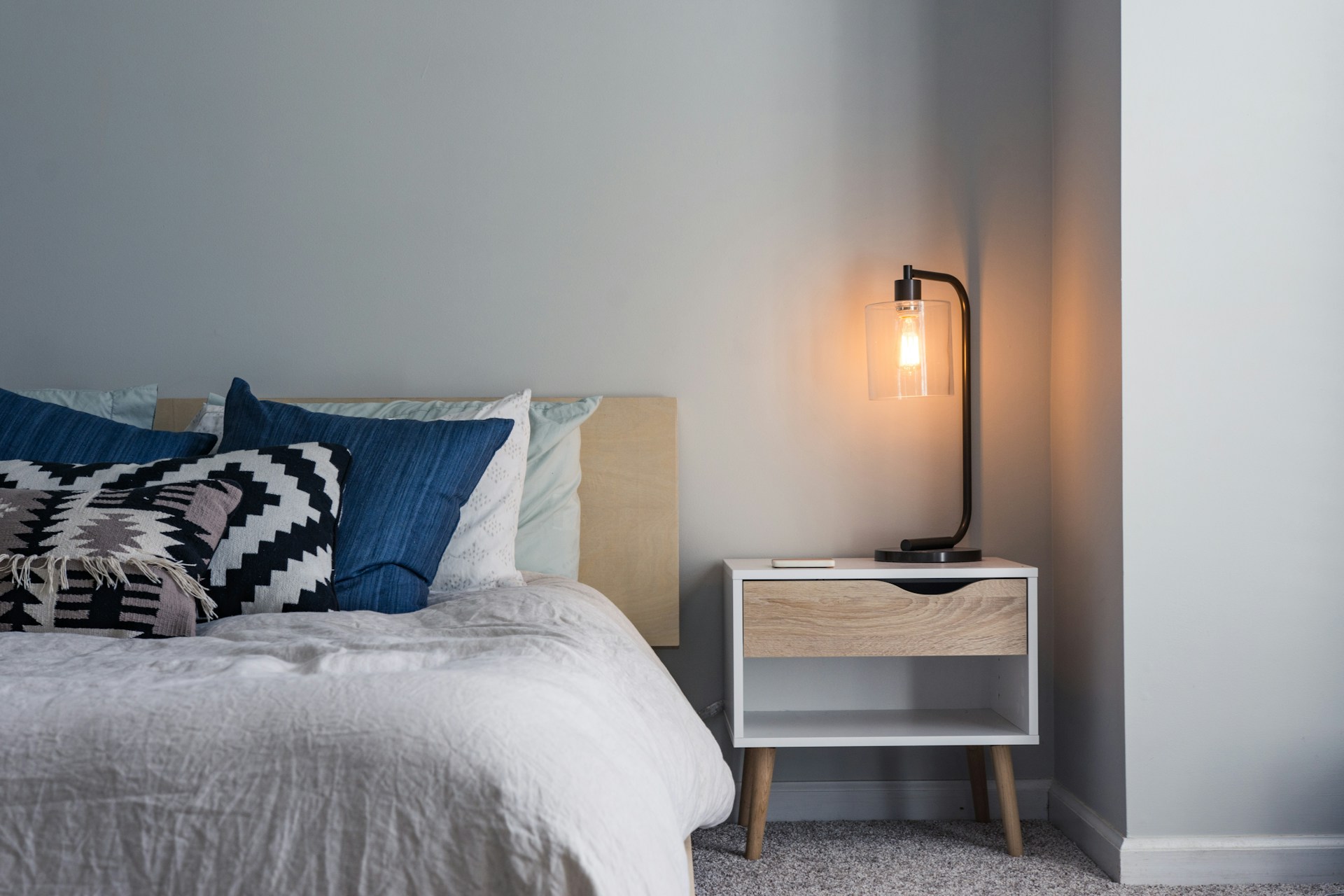
One evening I switched off the overhead light and sat with only a small lamp on. The room immediately felt different. Softer. Quieter. Almost unfamiliar in a good way.
Hotels rarely use harsh lighting at night. Somehow I had never questioned why my own space felt less relaxing after dark.
Changing a light bulb felt almost ridiculous as an improvement, yet it genuinely shifted how evenings felt. I started winding down earlier without planning to. Reading felt easier. Sleep followed more naturally.
Sometimes comfort comes from details so small you overlook them completely.
Keeping the Feeling, Not Copying the Look
I didn’t want my home to look like a hotel. That would feel temporary somehow. What I wanted was the feeling I had while travelling. That sense of nothing urgently pulling at my attention.
So instead of redecorating, I focused on textures and habits. Softer bedding. Fewer distractions near the bed. Leaving a little empty space instead of filling every corner.
The room still looks like mine. Just calmer.
And oddly, it feels more personal now than before.
Evenings Changed Without Me Planning Them To
When you travel, evenings naturally slow down. You return to your room earlier, maybe read, maybe just rest because there’s nowhere else you need to be.
At home, evenings used to disappear into scrolling or unfinished tasks.
Now I try to recreate that transition, though “try” might be the wrong word. Lower lighting helps. Making the bed properly during the day helps more than expected. Opening the window for a few minutes before sleep has become a small habit I didn’t intend to start.
None of it feels like effort. That might be why it works.
Home Feels Different Now
The interesting part is that nothing dramatic changed. No renovation. No complete redesign. Just small adjustments made over several weeks, almost casually.
Yet coming home now feels closer to returning to a place that supports rest instead of competing with it.
Travel didn’t make me want a new house or a different lifestyle. It simply reminded me that comfort can be intentional.
And maybe that’s what we really bring back from travelling. Not souvenirs or photos, but a slightly different understanding of how we want to feel in our own space. Quiet. Rested. Unhurried.
I didn’t expect a trip to change how my bedroom felt.
But I’m glad it did.