
Among various types of motor vehicle accidents, car rollovers are the most terrifying and devastating type. According to NHTSA, they account for only about 3% of all crashes, but they are responsible for nearly ⅓ of all passenger vehicle fatalities. The rollover accident includes serious injuries, high medical costs, and legal battles.
Understanding why rollovers occur, the common causes of rollover accidents, and the reasons behind their danger is crucial.
What is a Rollover Crash?
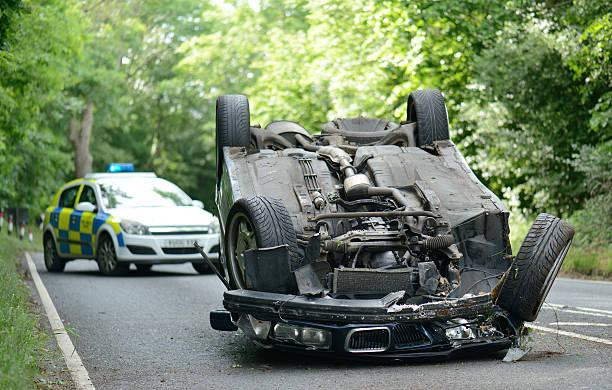
During the accident, the vehicle tips on its side or its roof, which is known as a rollover crash. The vehicle may turn upside down by rolling, the roll may take one or multiple times, depending on the force hit by other vehicles or others. Rollover accidents can involve more than a vehicle, but they’re most common in single-car accidents and often result in terrifying injuries.
Common Causes of Rollover Accidents
There are various reasons behind rollover accidents, but when we focus on the physics behind them, taller vehicles have a significantly higher center of gravity. So, this is one of the major causes for single-vehicle rollover accidents.
And some other notable causes for the rollover accidents are:
Speed: This is the biggest factor in rollover accidents. It increases the momentum and mass of the vehicle, making it more likely to roll over when involved in an accident. During this speeding phase, it is hard to control the vehicle when making sharp turns or navigating curves.
Drug or Alcohol Consumption: Compared to others, it is a dangerous factor that is highly responsible for all fatal rollover accidents. It causes the driver to lose all stability and consciousness while driving, thereby increasing the likelihood of a rollover crash.
Distracted Driving: Due to a lack of attention, it can be a significant cause of rollover collisions. Distracted driving, including using mobiles, unnecessary conversations, sudden overcorrections, and aggressive driving, can cause devastating rollover collisions.
Vehicle Type: Some vehicles, such as taller vehicles like SUVs, pickup trucks, and vans, are more prone to rollovers due to their higher center of gravity. Other than that, some cars with worn or separated tire treads, faulty suspension, failing brakes, and defective steering can all cause rollover crashes.
Road Conditions: It plays a vital role in collisions happening. Without proper and acceptable road conditions, it can be a strong cause for rollover collisions. Some road conditions, such as slippery roads, potholes, or uneven surfaces, can destabilize a vehicle, making it easier to flip over.
Injuries after the Rollover Accidents
Some common injuries can result from the terrifying rollover collisions. They are:
- Injuries in the head from the high force of hitting the roof, dashboard, or side of the door during the rollover collision. The traumatic brain injuries can be the result.
- In neck regions, whiplash is a common injury in every accident. It may happen when you move, snap back, or snap forward. This can result in damage to muscle, tendons, and ligaments.
- Also, it causes spinal cord injuries and spinal fractures after rollover crashes.
- Apart from the external organ damage in the rollover collisions, there might be some internal injuries in car rollover accidents. Organs such as the kidney, brain, and liver can result in internal bleeding.
Why Rollover Collisions are so Dangerous?
According to the National Highway Traffic Safety Administration, many fatalities and injuries occur in car accidents; in that way, rollover collisions take a unique place in that. Here are some notable things that help us understand why these rollover crashes are happening.
- There is a huge Impact after the rollover accident.
- Ejection from the vehicle during the accident led to more severe injuries.
- Risk of crush in the rollover accident can result in spinal injuries, head trauma, and other disabling injuries.
Conclusion
Rollover collisions can leave the passengers or victims with serious trauma and injuries. The huge impacts after the accident, such as mounting medical bills and financial stress, can be exacerbated.