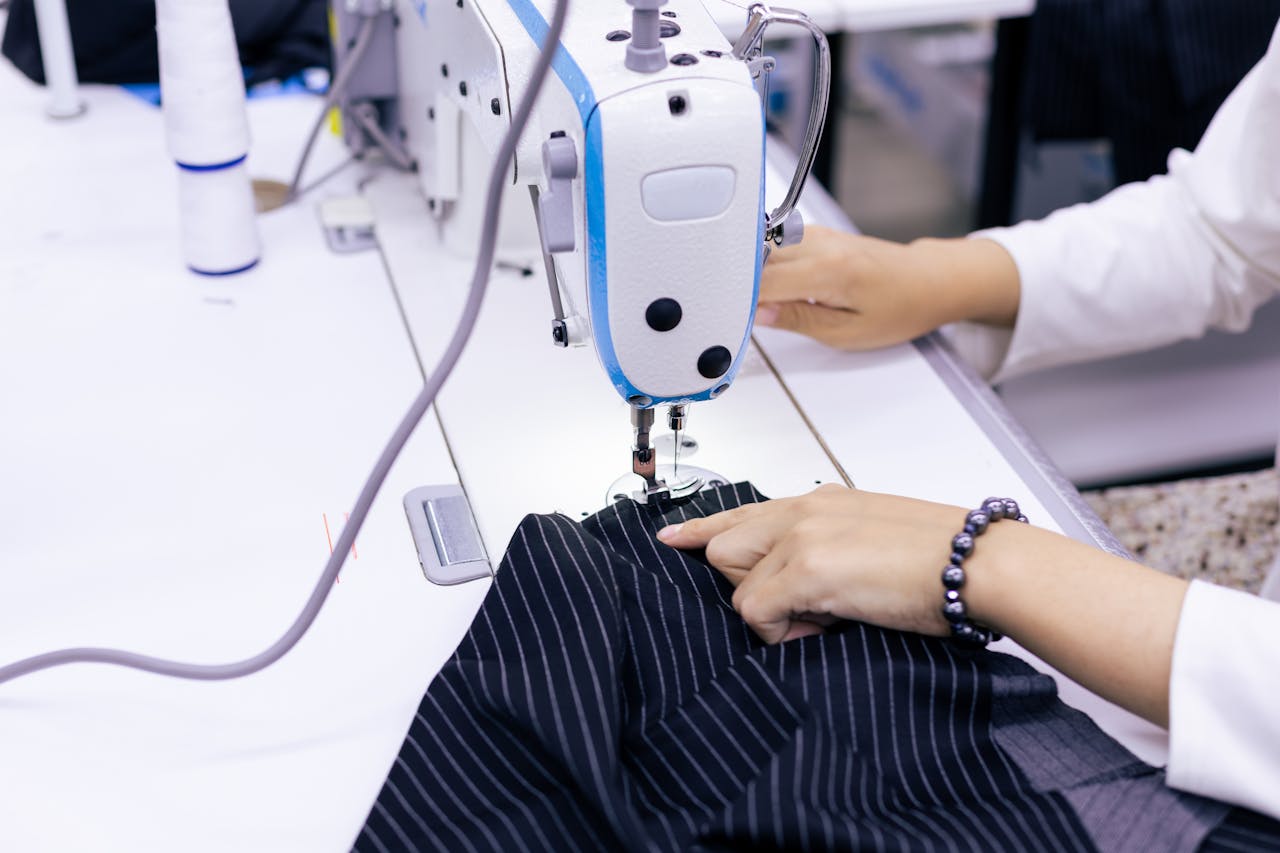
The best sewing machines for beginners to buy online are those that offer a balance of easy-to-use features, reliability, and value. Models from well-known brands like Brother, Singer, and Janome consistently stand out for their intuitive controls and sturdy construction, making them ideal for new sewists. Many shoppers look for machines with built-in stitches, one-step buttonholes, and clear instructions to help make learning less intimidating.
These features not only build confidence but also reduce frustration during the learning process. When you shop sewing machines online, it’s easier to compare models side by side and see which ones include these beginner-friendly tools. User reviews often highlight which machines truly simplify setup and operation. This kind of insight can be especially useful when choosing your first machine.
Key Takeaways
- Find beginner sewing machines with user-friendly features.
- Top models are reliable, affordable, and simple to operate.
- Shop sewing machines online from reputable dealers for support and service.
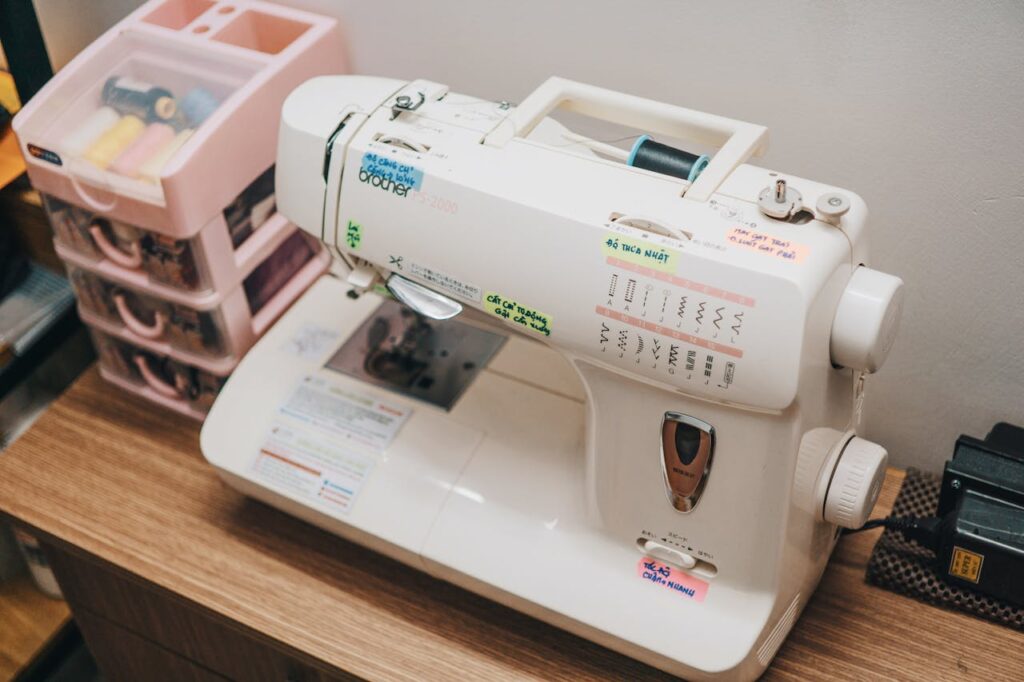
Top Beginner Sewing Machines to Buy Online
When choosing a sewing machine as a beginner, practical features, ease of use, and value for money are top priorities. There are distinct differences between mechanical and computerized models, as well as certain machines that cater to specific sewing needs and budgets.
Key Choices for Specific Needs
Sewists who plan to quilt will benefit from a machine like the Brother CS7000X due to its included quilting feet and wider table. Those interested in learning embroidery may prefer a beginner-friendly combination machine, such as the Brother SE700, which allows both basic sewing and entry-level embroidery. Budget is an important factor for many beginners. The Brother XM2701 is often noted as an affordable sewing machine that doesn’t compromise on essential features, making it approachable for most households. For those wanting something dependable with minimal digital functions, a mechanical sewing machine like the Baby Lock Zest or Singer Simple series remains relevant.
Considerations around portability, noise level, and included accessories also affect the buying decision. Attachments for buttonholes, zippers, and hems are typically included in beginner kits, allowing users to tackle a variety of sewing tasks with one versatile sewing machine.
Comparing Mechanical and Computerized Sewing Machines
Mechanical sewing machines are traditional, usually with manual dials and levers to set stitch types and lengths. They are known for durability, straightforward maintenance, and lower cost. Models like the Baby Lock Zest and Singer Simple are common examples. Computerized sewing machines offer buttons or touchscreens, automated stitch selection, and often memory settings. Machines such as the Brother CS7000X provide a greater stitch variety and convenience features like speed control, which can help beginners avoid mistakes. Some, including the Brother SE700, also integrate embroidery capabilities.
Choosing between these two often depends on whether the user prefers straightforward functionality with minimal technology or enhanced ease of use, automatic settings, and extra features that computerized machines provide. Each type has options that cater to quilting, alterations, and lightweight clothing projects.
Essential Beginner-Friendly Features and What to Look For
Selecting a sewing machine with practical, easy-to-use features makes learning much less overwhelming. The following areas are critical, from simple threading mechanisms to flexible stitch options and built-in convenience touches.
User-Friendly Design Elements
A beginner sewist should look for a machine with a top-loading or drop-in bobbin system. These mechanisms make bobbin changes much easier and let users visually check thread supply. A free arm design is especially useful for sewing sleeves, hems, and other cylindrical projects, offering better access to tight or curved areas.
An extension table helps stabilize larger fabric pieces, making it simpler to sew quilts or home décor. Clear stitch diagrams, labeled dials, and intuitive controls help reduce frustration. Many entry-level models now include a seam ripper within the accessory kit, a small but indispensable tool for correcting mistakes as learners practice.
Important Stitch Options and Adjustments
For versatility, built-in stitches are vital. Every beginner’s machine should have straight and zigzag stitch as basic functions. Buttonhole stitch or a one-step buttonhole foot can simplify learning to make closures. Machines with several buttonhole options allow for different garment types.
Adjustable stitch length and width lets users fine-tune their stitches for delicate or heavy fabrics. Speed control offers safer sewing for beginners. Look for a chart or clear labeling of stitches on the machine, so there’s less guesswork when switching between patterns or trying out a new project like a zipper.
Convenience Features for Better Sewing Experience
An automatic needle threader or automatic threading function saves time and frustration, especially for those with limited dexterity. A built-in thread cutter or automatic thread cutter speeds up projects and reduces the need for scissors during frequent cuts. The thread tension dial allows for minor corrections that prevent bunching or puckering.
Multiple presser feet—including zipper foot and buttonhole foot—expand the range of potential projects and help teach essential sewing techniques. Machines offering a speed control slider let novices start slow as they build confidence, and a good memory function is helpful for repeating complex stitches. Basic features like a dust cover, accessory storage, and sturdy construction contribute to a positive learning experience.
Conclusion
Choosing a sewing machine as a beginner involves focusing on usability, reliability, and essential features. Machines from top brands like Singer, Brother, and Janome frequently offer intuitive controls and helpful accessories, making the learning process smoother.
Buyers should consider their budget, the types of projects they plan to tackle, and the availability of customer support or tutorials. Entry-level models with automatic threading, multiple stitch options, and clear instructions are ideal for easing into sewing.