Have you ever sat at your desk and thought, “There’s got to be more to life than this”? You’re not alone. Thousands dream of trading their cubicle for mountain peaks and fresh powder. Here’s the exciting part: becoming a ski instructor might just be your ticket out.
What Does It Take to Become a Ski Instructor?
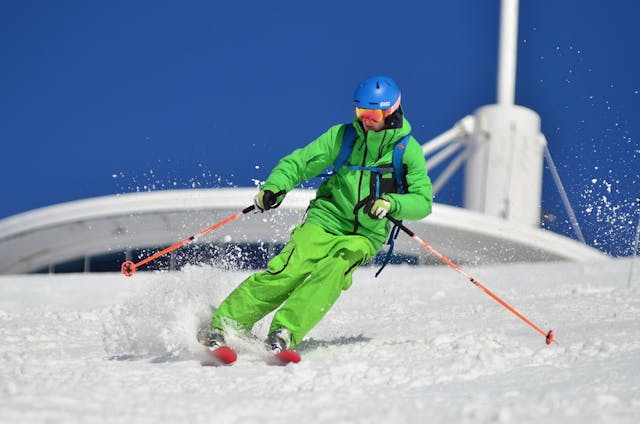
If you’re wondering whether ski instructor training is right for you, the good news is you don’t need to be an Olympic athlete. Most programs require intermediate to advanced skiing ability (comfortable on red and black runs), a passion for mountains, good communication skills, physical fitness, and willingness to learn. Certification courses typically run 4 to 12 weeks, depending on the level and country’s qualification system.
Why Do People Choose Ski Instructor Training Over Traditional Careers?
Let’s be honest, the 9-5 grind isn’t for everyone. Here’s why more people are choosing mountains over offices:
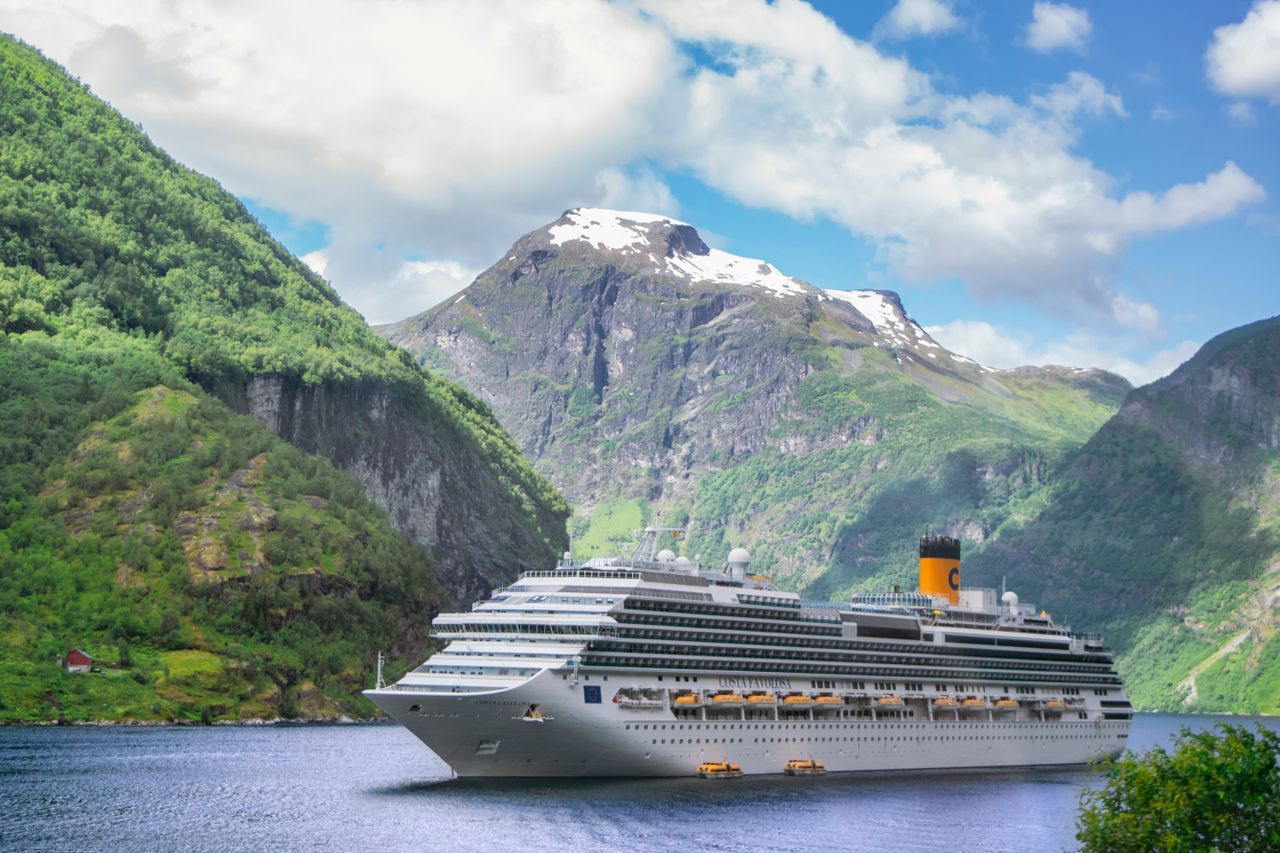
Freedom and flexibility means working seasonally, winters in the Alps, summers teaching surfing in Bali. You design your own schedule. When your office is a mountain and your commute involves a chairlift, work doesn’t feel like work. You’ll meet people from around the world, constantly grow personally, and live in some of Earth’s most beautiful places. Forget city smog, picture waking up to snow-capped peaks and mountain sunsets.

Can You Actually Make Money as a Ski Instructor?
This is the big question. The answer? Yes, but it requires smart planning.
Entry-level instructors earn $15-$30 per hour, while experienced instructors with higher certifications command $50-$100+ per hour for private lessons. Ski instructors build sustainable income by working multiple resorts across hemispheres, offering private lessons, progressing to higher certifications, taking additional resort roles, building loyal client bases, and complementing instruction with summer adventure tourism work or remote income.
What Are the Best Ski Instructor Qualifications to Get?
Your qualification depends on where you want to work. Popular certifications include CSIA (Canadian), PSIA (American), BASI (British/European), and NZSIA (New Zealand). Each has multiple levels, from beginner instructor to advanced qualifications. Most start with Level 1, completable in just weeks.
Where Can You Work as a Qualified Ski Instructor?
Top destinations include the European Alps (France, Switzerland, Austria), North America (Colorado, Utah, British Columbia), Japan (Niseko, Hakuba), and the Southern Hemisphere (New Zealand, Argentina, Australia). Many instructors “chase the endless winter,” working northern hemisphere winters (December-April) then heading south (June-October).
Is Ski Instructor Training Worth It If You’re Career-Changing?
Absolutely! This path welcomes all backgrounds and ages. You’ll find former lawyers, teachers, engineers, and executives who made the switch in their 20s, 40s, or even 50s. What matters isn’t your age, it’s your enthusiasm and skiing ability. Career-changers bring valuable professional communication, patience, work ethic, and life experience that helps connect with diverse students.
What Does Life as a Ski Instructor Actually Look Like?
Mornings start with checking snow reports and resort briefings. You’ll teach 4-7 hours daily, group lessons with beginners, private sessions, or specialized clinics. Between lessons, enjoy mountain café lunches and personal runs. Evenings might include après-ski with colleagues or preparing for tomorrow’s lessons. Days off are for your own mountain adventures or rest.
What Are the Challenges of Leaving Your 9-5 for the Mountains?
Honesty matters. Seasonal work means seasonal pay, careful budgeting is essential. Physical demands include full days on your feet in cold weather. Job security is less stable than traditional employment, though experienced instructors often have returning contracts. Working internationally might mean missing family events. Bad snow years can impact your season. That said, most instructors consider these small prices for the lifestyle gained.
How Do You Get Started with Ski Instructor Training?
Your roadmap:
- Assess your skiing level honestly, improve first if needed
- Research certifications that align with your goals
- Choose a training course with job placement assistance
- Budget wisely. initial certification costs $2,000-$8,000 plus living expenses
- Get physically fit, leg strength and cardiovascular fitness are crucial
- Take the plunge, apply and start counting down to your mountain adventure
Is This the Life Change You’ve Been Waiting For?
Escaping the 9-5 isn’t just leaving a job, it’s choosing how you want to live. Ski instructor training opens doors to a lifestyle many only dream about: mountain views, fresh air, incredible people, and constant challenges in the best ways.
Will it be easy? Not always. Sacrifices? Definitely. Will you question your decision on cold, tiring days? Maybe. But will you look back grateful you took the chance? Almost certainly.
The mountains are calling, offering more than a job, they’re offering freedom, adventure, and a completely different way of experiencing life. The question isn’t whether you can do it. The question is: what are you waiting for?