
Years of wearing contacts might have left you thinking – now and then – if another way could be simpler. Each morning, sliding lenses into place might feel like just another chore. Or perhaps it is the irritation later, when eyes grow tight and sore from hours behind plastic circles. Travel means hunting down cases, liquids, backups – always double-checking bags. Some wearers forget they’re even there, moving through days without notice. Others never stop feeling their presence, always aware, always adjusting.
If you’re ready to explore alternatives, it’s worth learning about implantable contact lenses. This vision correction option has helped many people reduce or eliminate their dependence on traditional contact lenses and glasses.
These tiny lenses inside the eye stay out of the spotlight, even though more folks are choosing them. Not everyone can get LASIK; some find their fix here instead. A different path opens when lasers won’t work. Clear sight returns without reshaping the cornea. Vision changes quietly, behind the iris. Many overlook this option at first glance. Yet those who need it tend to stick around.
Implantable Contact Lenses Explained
Even though they sound alike, implantable lenses aren’t much like the daily kind you put in and take out. A tiny lens is implanted in the eye during surgery. This implant functions together with your existing lens to improve eyesight issues like nearsightedness, sometimes helping with irregular corneal shape too. Most people won’t even notice it’s there after insertion. Because they’re different from regular contacts, you skip the nightly removal, forget about solutions, and miss out on daily upkeep. One reason it pulls folks in? That part stands out more than most.
Some People Pick ICLs
What drives someone to consider ICLs can vary widely. Some find glasses inconvenient during daily tasks. Others notice that contact lenses irritate their eyes over time. A few want sharper vision without relying on aids. Life changes, like starting a new job or sport, play a role too. Each path to this choice unfolds differently. Still, most share a common goal – clearer sight with less hassle.
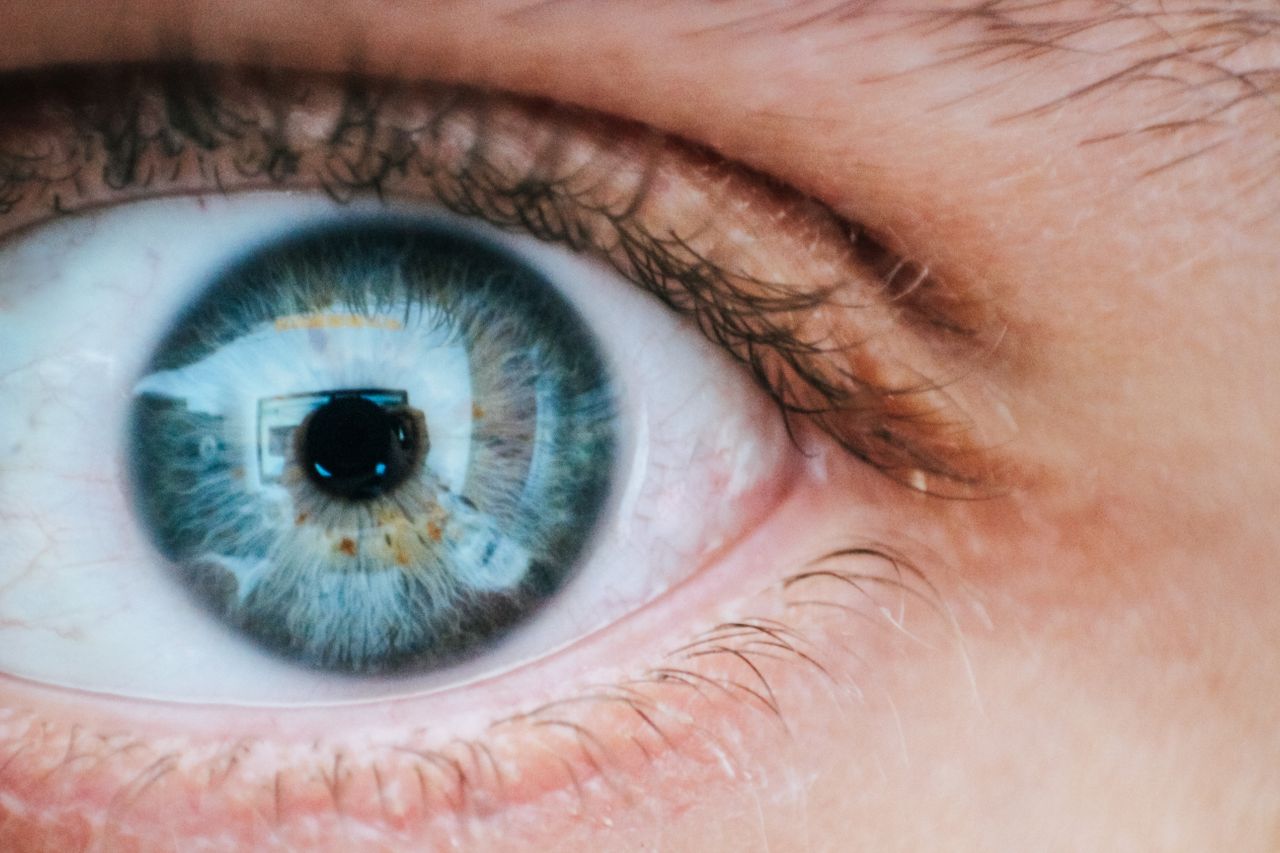
Waking up to lenses each morning can wear thin after a while.
Years pass, then one day the routine feels like too much – cleaning them, storing them, paying for replacements adds up fast. For some people, dry eyes create real problems when wearing contacts, especially as the day goes on. Staring at a screen without many breaks tends to sharpen that discomfort slowly.
Some folks look into laser eye surgery only to find out their eyes don’t quite fit the criteria – maybe the lens strength is off, or the front of the eye isn’t thick enough. Now and then, a different route like implantable contact lenses might make sense, especially when talked over with someone who knows eyes well.
The Benefits Beyond Just Being Easy
Most folks start by talking about ease – yet what sticks in their minds tends to be how clearly they see after getting implanted lenses. Inside the eye, the lens often brings sharp vision to people who use it. Instead of changing the front surface of the eye, these implants rely on how the eye already works. Should things change down the line, the implanted lenses can come out. This flexibility counts as a benefit. Even though they’re meant to stay in place for years, removal remains an option when needed. Some people even feel better simply because their corneas aren’t changed for good by the treatment.
Procedure Overview
Starting a chat about eye surgery might seem tough right off the bat – fair enough.
Most times, getting ICL treatment doesn’t take long at all. Awake and alert, people sit through it easily, since numbing drops ease any discomfort in the eyes.
A tiny cut lets the surgeon slip the lens into place. Right after settling in, eyesight starts adjusting without delay. How fast someone heals depends on the individual, yet a good number of people see clearer eyesight soon afterward. Still, results shift based on who you ask.
Every step of recovery matters when healing after surgery. Staying on track means doing what your doctor suggests. Missing checkups could slow progress, so show up for each one they recommend.
Is ICL Suitable for All?
Just because one person benefits does not mean another will see the same results.
Starting with your vision needs, a full eye check by a skilled specialist shows if ICLs fit your situation. Because every eye differs, they look closely at your lens strength, overall eye condition, daily routines, and what you hope to achieve – then guide you toward the right choice.
A few people might do well with laser treatment on their eyes, yet some could find better results through tiny implanted lenses instead. Others still may need different kinds of corrections altogether.
Life Without Daily Contact Lenses
Most folks find the real draw of ICL treatment lies not in the surgery. What follows is what truly matters. Picture mornings where sight comes sharp right away, no need to grab frames or touch your eyes. Think of trips now free from carrying fluid bottles, plus less stress if you dive into water, move fast, or stay under open skies. Little things pile up after a while.
For some people, choosing vision correction feels right – cutting down on glasses or contacts often brings small but meaningful shifts in how they move through each day.
Maybe glasses aren’t your thing anymore. Tiny lenses placed inside the eye could offer a change. Vision tech has shifted lately, opening doors once closed. Clear sight without daily hassle isn’t just possible – it’s closer. Some find life simpler when they skip the frames, cleaning, and lost cases. Progress quietly made room for new choices. Freedom often hides in small shifts like these.